

David J. Danto
Travel thoughts in my
own, personal opinion
eMail: ddanto@IMCCA.org Follow Industry News: @NJDavidD on all 

Smile! – October 2024
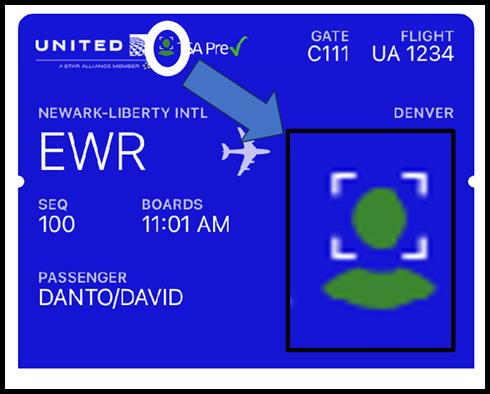 Science fiction has
always let us imagine a world where transportation is just easier. Maybe it was transporters…maybe it was
spaceships…or, maybe, it was as simple as walking through an airport without
fishing for your ID, fumbling with a boarding pass, or even pausing to talk to
a gate agent. Well, that last one has
become reality with biometric face scans now being tested at major U.S.
airports. United Airlines, for example,
is piloting this futuristic technology for domestic flights at a few airports –
including my home EWR – allowing passengers to check in, pass security, and sometimes
even board – all with just a glance at a camera.
Science fiction has
always let us imagine a world where transportation is just easier. Maybe it was transporters…maybe it was
spaceships…or, maybe, it was as simple as walking through an airport without
fishing for your ID, fumbling with a boarding pass, or even pausing to talk to
a gate agent. Well, that last one has
become reality with biometric face scans now being tested at major U.S.
airports. United Airlines, for example,
is piloting this futuristic technology for domestic flights at a few airports –
including my home EWR – allowing passengers to check in, pass security, and sometimes
even board – all with just a glance at a camera.
Biometric
technology has been used internationally for years, especially in services like
Global Entry, where pre-approved, frequent international travelers (like me) have
been able to speed through customs using facial recognition. However, this new domestic offering doesn’t
require the same pay-to-play model. Unlike Global Entry (opt-in and pay a fee) this
biometric check-in for domestic flights is free to use and passengers can
choose to opt out during check-in if they prefer traditional methods. But the
appeal of speeding through the airport, cutting wait times at check-in,
security, and boarding, is undeniable.
The few times I’ve used it it was like having
my own private security lane. That may
be because is it a superior process, or just because no one is really using it
in big numbers yet, but it is pleasure for now if it is available on your
flight.
This
technology promises to make air travel significantly more efficient. Instead of
holding up the line searching for your boarding pass or ID, the system scans
your face and pulls up all necessary information instantly. The process is
touchless, and in an era where hygiene is a top concern, this can be a
significant advantage. For frequent
travelers, this could feel like a game-changer (again, at least until more
people start using it – like the earliest days of Pre-Check.)
As
exciting as this may sound, there’s a very real flip side to the convenience
coin. While these facial scans make the
airport experience faster, they also raise some significant privacy concerns. Many people are uneasy about handing over
their biometric data – especially when it’s unclear who has access to that
data, how long it will be stored, and what safeguards are in place to prevent
misuse.
Despite
promises of data security, the rise of biometric systems for everyday tasks,
like boarding a plane, opens a Pandora's box of potential issues. For one, companies and governments could use
this data in ways not initially intended. There’s already a widespread lack of federal
regulation regarding biometric data use in the U.S., meaning that while
passengers may opt into this new technology, they are trusting airlines and
private companies to handle their sensitive information responsibly. If history has taught us anything – think
Facebook data breaches and Cambridge Analytica – it’s that personal data can be
mishandled or used for purposes beyond what was initially promised.
While
opting out is an option for travelers (which takes the form on the United app
of simply saying no if it’s offered) the bigger question looms: how long will
this remain a voluntary process? Could
there come a time when travelers have no choice but
to give up their biometric data? In a
world where technology is rapidly evolving, it’s not hard to imagine a future
where opting out is no longer an option if you want to board your flight on
time.
For
decades, science fiction has teased us with visions of seamless, tech-driven
travel. Movies like Minority Report and Blade Runner have
depicted societies where biometric scans and personalized tech experiences are
part of everyday life. We’ve watched as
futuristic cities functioned with the precision of a well-oiled machine, but
always with the underlying message that privacy and humanity were often
sacrificed for the sake of convenience.
Fast
forward to today, and we find ourselves on the cusp of that imagined future. In many ways, the widespread use of biometric
data, from phone unlocks to air travel, is a dream come true for tech
enthusiasts. But it’s crucial to
remember that (if you’ll forgive the variation) with great technology comes
great responsibility. The science
fiction stories we loved also warned us about the potential loss of privacy and
the slippery slope toward surveillance states.
Ultimately,
the rollout of biometric face scans at airports for domestic flights offers
both promise and peril. On the one hand,
it simplifies travel in ways that make long lines and tedious ID checks a thing
of the past. On the other, it forces us
to question how much we are willing to sacrifice in the name of convenience.
As this
technology continues to evolve, we travelers need to stay informed about our
options and the implications of using into these new systems. For now, we can choose to opt out if we feel
uncomfortable, but as technology often goes, today’s opt-in might become
tomorrow’s mandatory requirement. The
future is here, and heaven help us, it’s in the hands of the TSA.

Also, p
This article was written by David Danto and contains solely his own, personal
opinions.
All image and links provided above as reference under
prevailing fair use statutes.
Copyright 2024 David Danto
++++++++
As always, feel free to write and comment, question or
disagree. Hearing from the traveling
community is always a highlight for me.
Thanks!